Heading towards decarbonization
Fleet transformation
In 2023, we committed to the Science Based Targets initiative to set near-term science-based emission reduction targets as the first crucial step towards full decarbonization.
The current targets, validated in April 2024, include a 54.6% absolute reduction in Scope 1 and 2, and a 40.9% reduction in Scope 3 emission intensity, both to be achieved by 2032 (with 2019 as a base year). For more information on our progress, please refer to Flix’s ESG report, section 2.1.3, pp. 20-24.
In this process, fleet transformation is going to play a key part.
Over the years, Flix has been engaging in a diverse range of pilots, to explore the potential of these solutions with a view to its long-term decarbonization goal.
Timeline
Our pilots to date
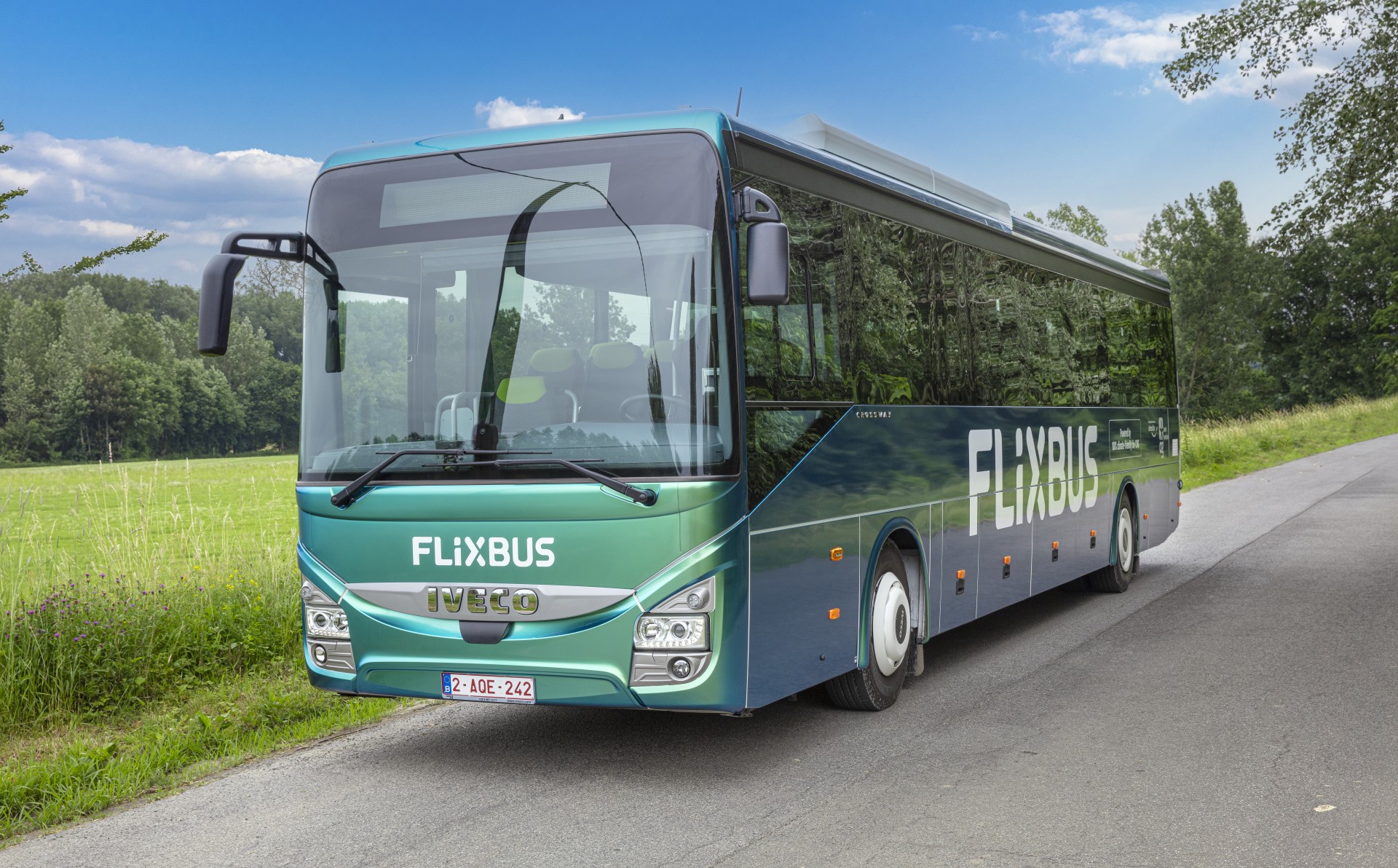
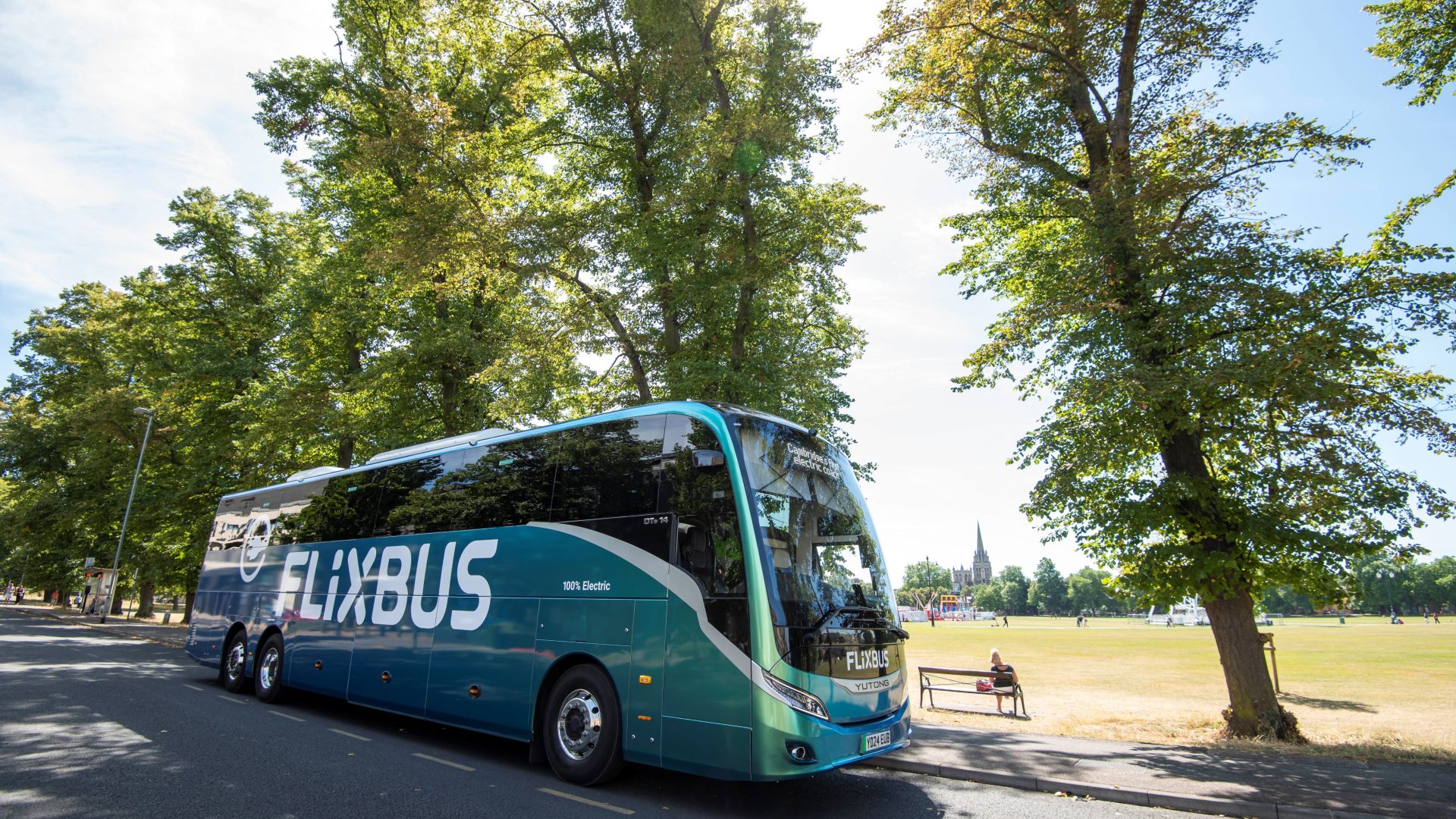

2018-2020: early adoption of new technologies
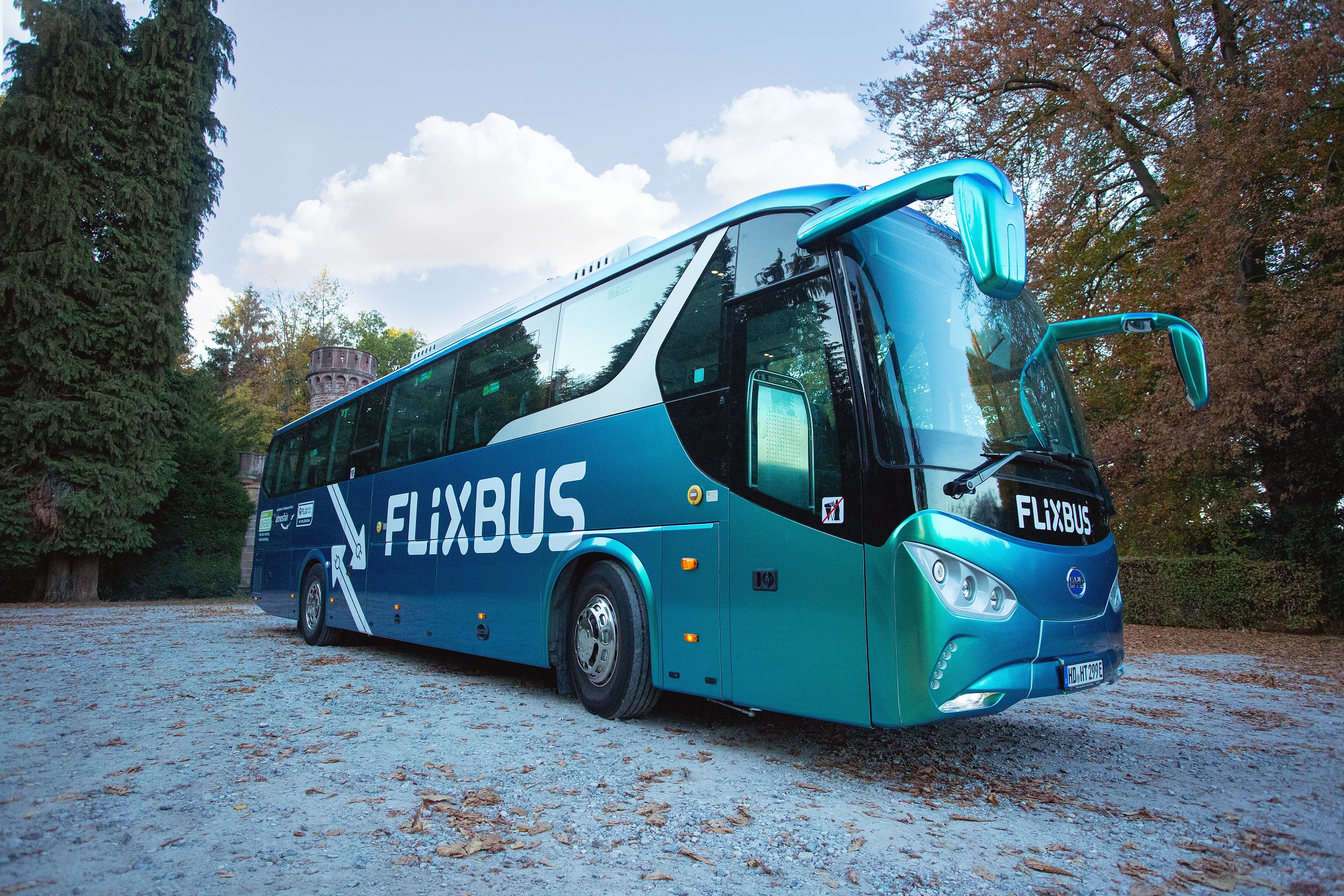
In 2018, our first pilot projects with battery electric coaches started in France, between Paris and Amiens, and Germany, between Frankfurt and Mannheim.
Although both initiatives were discontinued by 2020, they provided us with precious insights around major technological and infrastructural obstacles that would support subsequent fleet transformation projects.
2020-2023: more solutions tested
The early 2020s were marked by increased experimentation. First tests were conducted with solar panels, biogas, and colza biofuel, further enhancing our understanding of the advantages and limitations of existing alternatives to diesel.
Two biogas coaches hit the road in the Benelux region and Scandinavia in 2021, before being discontinued by 2022. In 2022, 3 coaches powered by colza biofuel then started operating in France.
2023-2026: scale-up of selected solutions
All along our path toward fleet transformation, the principle of technological neutrality has been central. This helps us investigate the potential of different solutions in different geographies and roll out those who look most promising in a certain context.
This is exemplified by the rollout of a reference fleet of LNG (Liquified Natural Gas) coaches outfitted with technologies that allow usage of Bio-LNG in Germany and HVO (Hydrotreated Vegetable Oil) coaches in France and Italy, alongside new battery electric pilots in Portugal.
Future: stakeholder engagement remains a strategic pillar for decarbonization
While the status quo of technology and infrastructure challenges our ability to consistently scale up zero-emission solutions in a way that is economically sustainable, cooperation across the industry can open new opportunities to overcome the obstacles in the way.
It is the case of Project “ELCH”, conducted together with Daimler Buses and three German universities to develop a technology suitable for long-range battery electric coaches.
An affordable, easy-to-use alternative to private cars and planes
Customers' Avoided Emissions
We can help people reduce their environmental footprint today.
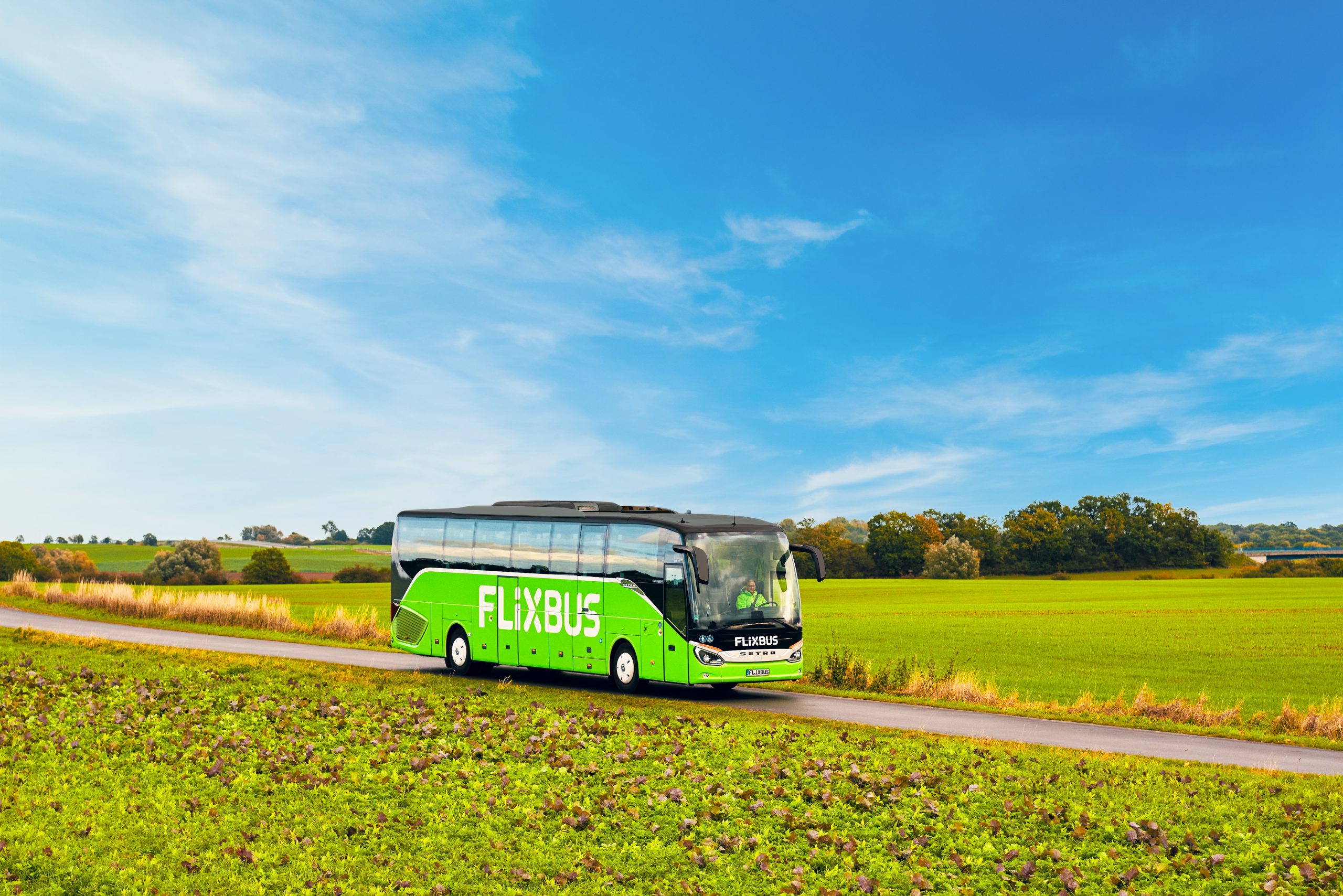
For example, the average emission factor for FlixBus in Europe is 28.1g CO2 per person/km, which is at least five times less than a private car and ten times less than a plane.*
Taking into consideration all Flix services combined, our passengers are estimated to have avoided 1.5 million tonnes of CO2 emissions in 2025 alone, just by traveling by Flix coach or train instead of other modes of transport that emit more CO2 on a per person/km basis (based on the results of our Post Ride Survey).
To know more about the methodology used to quantify emissions benefit of collective travel, please refer to Flix’s 2025 Avoided Emissions Methodology, under Governance, Data and Policies.
* The emission factor for FlixBus in Europe is a weighted average factor calculated by Flix, combining the emission factors of the different European operational regions weighted by their respective passenger-kilometers (pax-km). The underlying regional emission factors are illustrated in Flix’s 2025 Avoided Emissions Methodology (p. 8).