28. October 2026
FlixBus marks 10 years in Hungary, Croatia, and Spain, where domestic bus markets open at different speeds
Share this Article


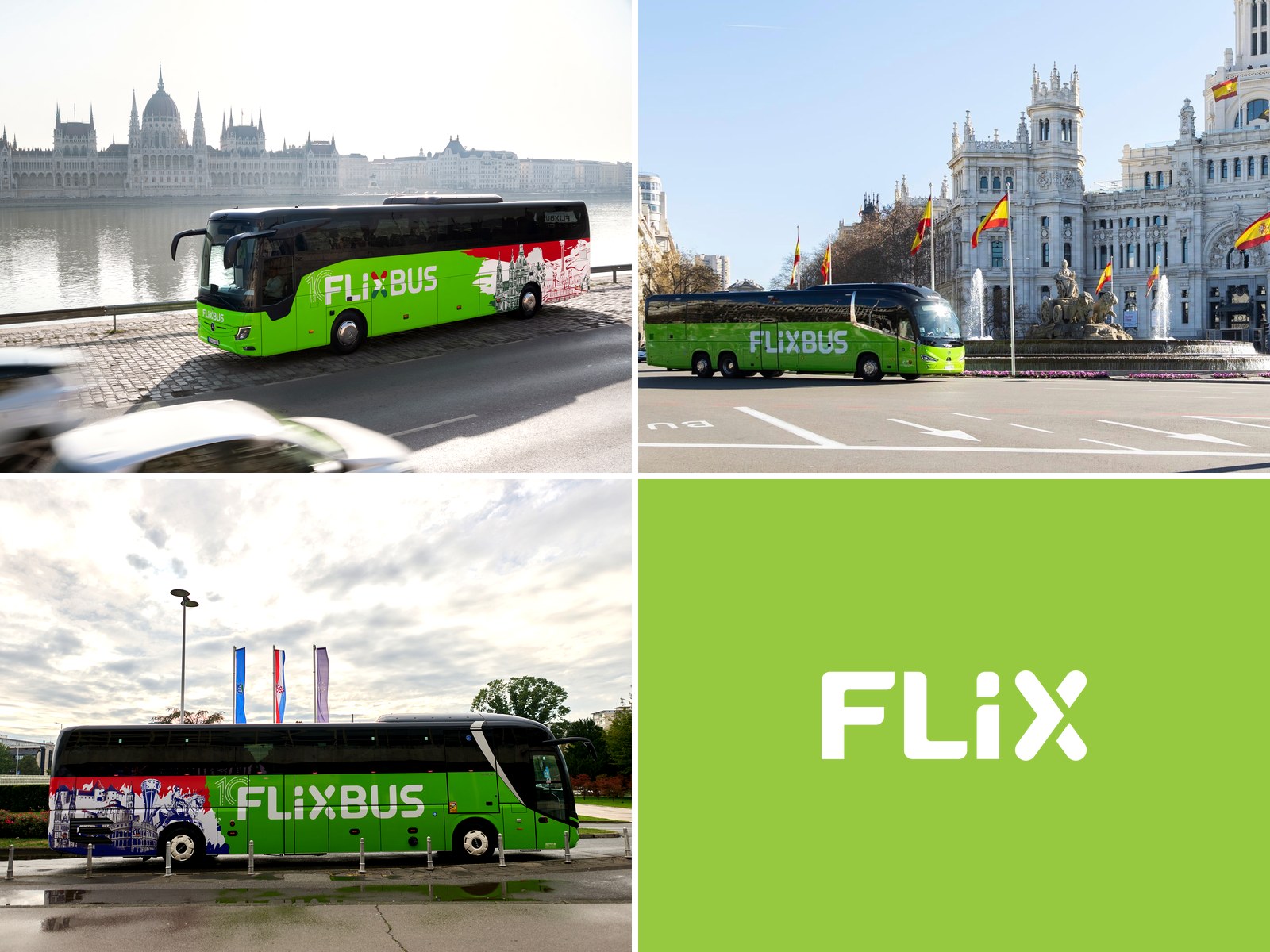
FlixBus marked 10 years of operations in Hungary in March, Croatia in September, and Spain in October 2026. In all three, the network was built on international routes, and each is part of a Flix network that spans 46 countries and has carried more than 500 million passengers since 2013. Domestic services remain restricted by regulation: Croatia partially opened its domestic coach market in December 2025; FlixBus now sells domestic tickets on 41 connections within its international lines in Hungary; and in Spain, where FlixBus has built its network on international connections, domestic access remains considerably more limited.
Flix, the travel-tech company behind FlixBus, FlixTrain, Greyhound and Kamil Koç, runs an asset-light model for its bus operations: it plans the network and sets pricing, sales and quality standards, while local carriers operate the services. Three bus partners work with FlixBus in Hungary, 15 in Croatia, and 14 in Spain.
Hungary: Budapest as a hub for Europe East
The first FlixBus in Hungary ran in 2016 on line 902 from Budapest Népliget to Vienna. Since then, more than 8.5 million passengers have used FlixBus stops in Hungary. Budapest is now on 66 international routes with about 110 daily departures and has direct connections to 10 of the 20 countries in Flix’s Europe East region. Line 902 is the most frequently operated route in Flix’s global network, with average daily departures up from 10 in 2016 to 27 in 2026.
In March 2026, FlixBus opened ticket sales for a daily service between Budapest Keleti and Budapest Airport, its first cabotage service in Hungary. In summer 2026 it extended domestic ticket sales to 16 of its international routes, adding 41 city-to-city connections across 14 Hungarian cities, including direct links from Budapest Airport to regional cities. Hungary had been one of the few European markets where FlixBus had no domestic network. Scheduled intercity bus public service nationwide remains under an exclusive concession held by state-owned MÁV until 31 May 2035.
In neighboring Romania, where the domestic coach market opened in 2025, FlixBus carried 300,000 passengers on domestic routes between July 2025 and February 2026, nearly half of all passengers it transported in the country. Michał Leman, Vice President Europe East, said at the anniversary press event in Budapest on 25 March: “Our experience in neighboring countries shows that where long-distance bus transport operates on a free-market basis, passengers have more options, smaller towns become more accessible, and local tourism benefits too.”
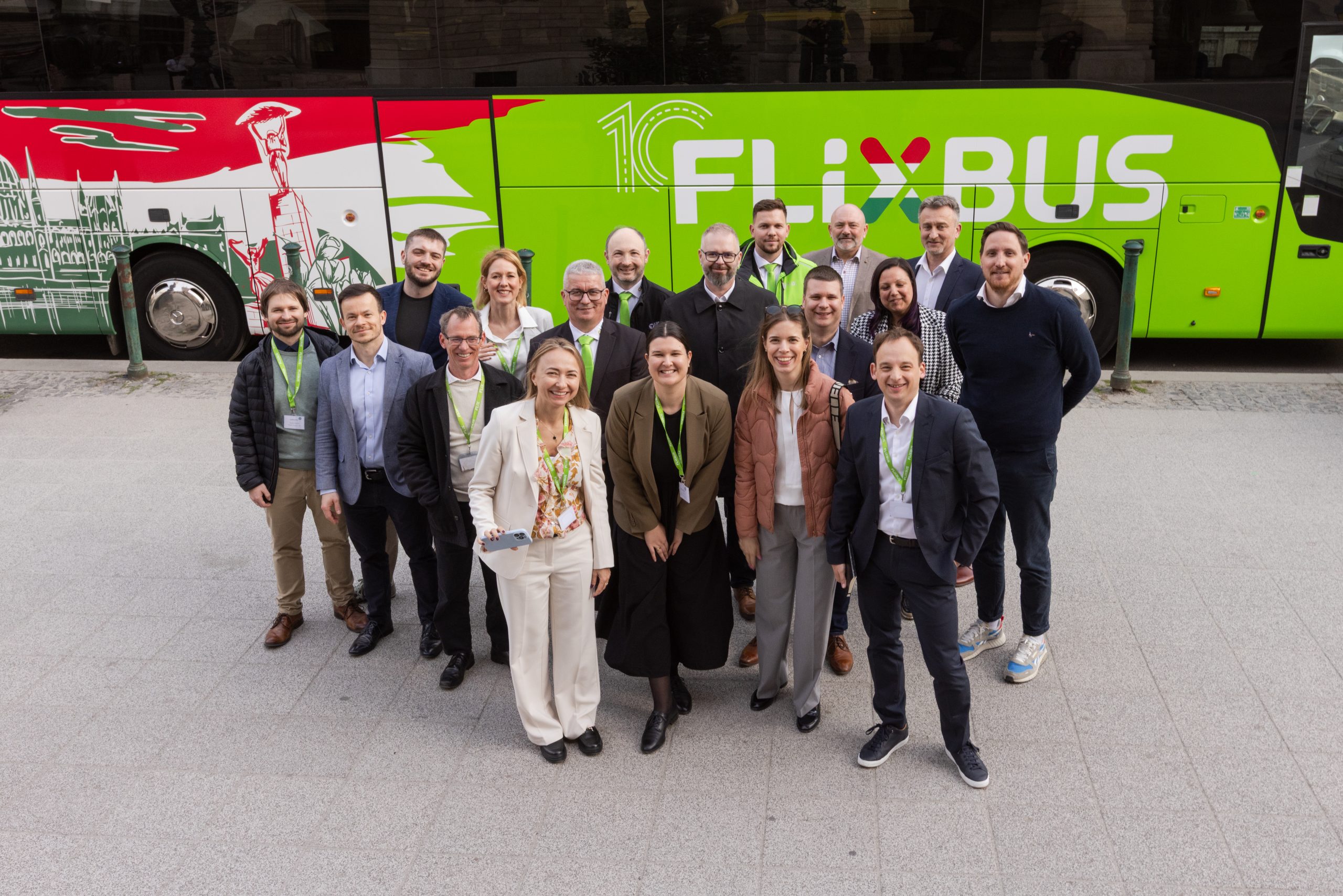
FlixBus Hungary and Europe East teams in Budapest, 25 March 2026
Spain: international connections to nine countries
FlixBus’s first connection from Spain in 2016 was line 728, linking Barcelona with Perpignan, Montpellier, Nîmes, Aix-en-Provence and Marseille. It started with one line and three buses under Regulation (EC) No 1073/2009, which governs access to the international market for coach services. FlixBus has since sold more than 10 million tickets with origin or destination in Spain. It now serves more than 50 Spanish destinations, with close to 1,000 direct international connections to nine countries, almost 500 of them to France and more than 350 to Portugal.

As Pablo Pastega, Vice President Iberia and South America, emphasized at the anniversary event, FlixBus’s partnership model with local bus operators “creates new opportunities for small and medium-sized national businesses and helps strengthen their competitiveness in a market that tends to favor large operators.”
Only international services are currently open to FlixBus in Spain, where domestic long-distance routes run under concessions awarded to one operator per corridor and the transport ministry holds that Spanish law does not permit cabotage. The European Commission decided in April 2025 that Germany could authorize a FlixBus service from Trier to Madrid, including cabotage in the destination country, but Spain challenged the decision before the EU General Court (case T-388/25), which is still pending.
Croatia: 16.3 million passengers and a regional restructuring
FlixBus began operating in Croatia in 2016 with four cities and four bus partners. In its first 10 years it carried 16.3 million passengers in the country, and direct connections to and from Croatia rose from 375 in 2016 to 4,471 in 2026, with about 9,100 departures a month in 2026. In September 2026 the network connected 258 destinations in Croatia and 390 cities across Europe, counting every stop on approved lines, seasonal ones included. In 2017, a year after the Croatian launch, FlixBus extended to Bosnia and Herzegovina, Serbia and Slovenia.
Croatia partially opened its domestic coach market in 2025 through amendments to its Road Transport Act, and FlixBus expanded its domestic network from 1 December. Applications for new domestic lines are still accepted only twice in a single year.
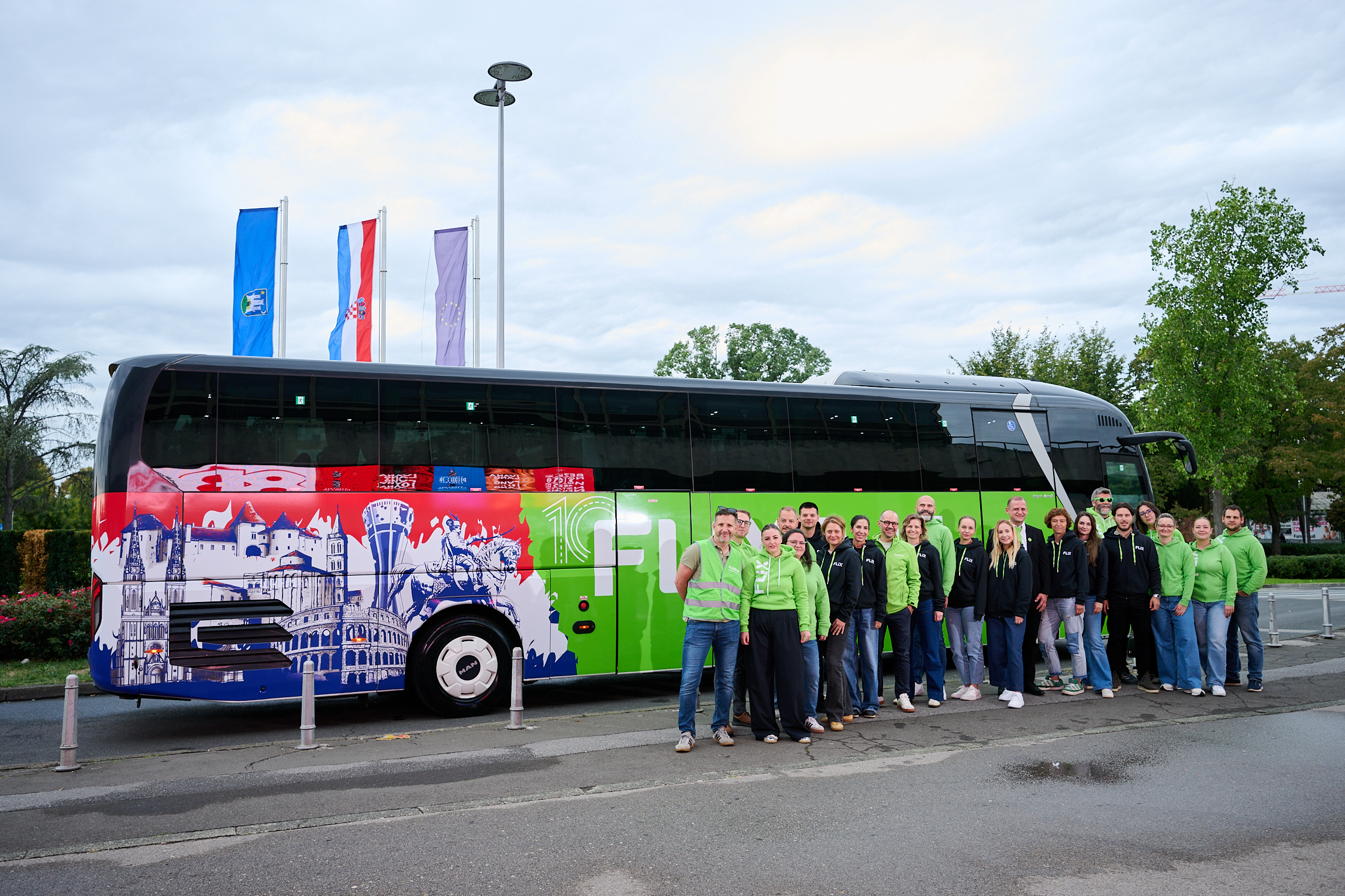
FlixBus Croatia team in Zagreb, 17 September 2026
Leman has described Croatia as a confirmation of the FlixBus concept and a door opener for the rest of Eastern Europe. Croatia is now part of a new South Eastern Europe (SEE) region after Flix merged its Adriatic and Black Sea regions at the start of September 2026. Europe East, which covers 20 markets including Hungary and Croatia, is now organized into Central Eastern Europe (CEE) and SEE, both led by Leman. The structure is meant to share what works in established markets across the region and to extend the network to markets that are still unconnected or underserved.